Women's Health
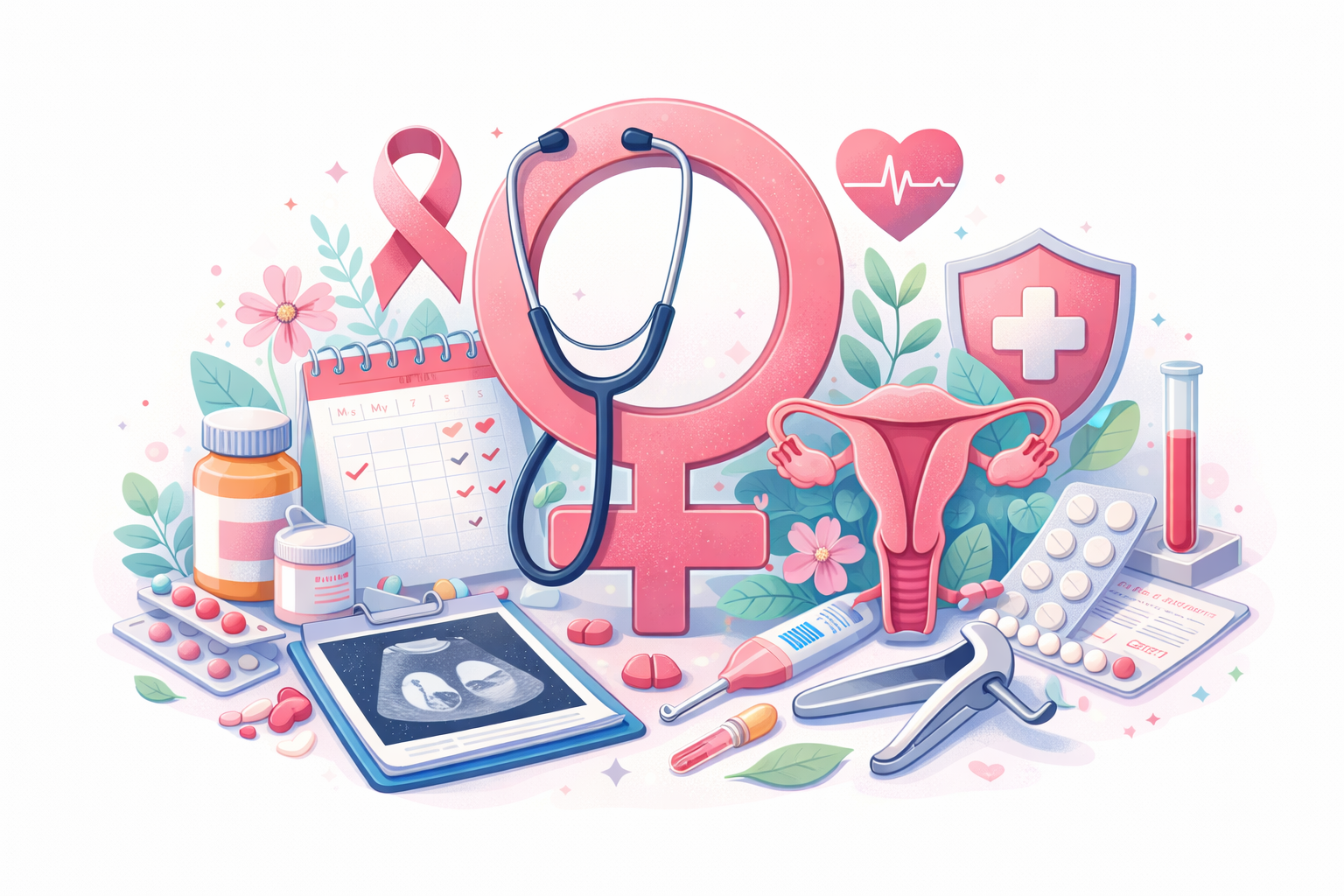
Women today shoulder an extraordinary range of roles—professionals, nurturers, caregivers, and decision-makers. While balancing careers, homes, and families, their own well-being often becomes the last priority. Over time, this quiet neglect can lead to preventable health concerns that affect not only women themselves, but also the families who rely on them.
While many countries actively promote age-appropriate screenings and preventive healthcare for women, awareness in India is still evolving. Cultural responsibilities, limited time, and delayed recognition of symptoms often prevent timely medical attention. A Women's Health Check is therefore a powerful step toward prevention, timely identification, and long-term wellness—empowering women to take charge of their health before complications arise.
This guide brings together everything women need to know—from routine health check-ups and screening guidelines to common health concerns, preventive strategies, nutrition, and lifestyle care. The goal is to encourage women to view regular health assessments not as a medical obligation, but as an essential act of self-care and lifelong wellness.
What Does a Women's Health Check Include?
A comprehensive women's health assessment is designed to identify potential risks early and promote holistic wellness. These evaluations focus not only on diagnosing illness but also on understanding overall physical, hormonal, and metabolic health.
A typical assessment may include:
- Complete physical examination (breast examination, pelvic examination, Pap smear, gynaecological evaluation, pelvic ultrasound)
- Blood tests: Complete Blood Count (CBC), blood glucose
- Urine analysis
- Stool examination
- Pap smear for cervical screening
- Chest X-ray
- Nutrition and fitness counselling (if required)
How a Women's Health Check-Up Is Conducted
A women's health check-up follows a structured process designed to address age-specific, hormonal, and preventive care needs across different life stages. The emphasis remains on comfort, confidentiality, and comprehensive evaluation.
- Registration and preliminary assessments
- Diagnostic tests conducted by trained technicians
- Private physical examination by a qualified physician
- Consultation for evaluation and personalised guidance
- Recommendations for further tests or treatment, if required
This coordinated approach allows even the busiest women to prioritise essential healthcare as part of an ongoing commitment to long-term well-being—without compromising professional or personal responsibilities.
Why Regular Women's Check-Ups Matter
Routine health evaluations enable timely identification of medical concerns—often before symptoms appear. Many serious conditions develop silently and are detected only through preventive screening. Regular check-ups support early intervention, improved outcomes, and reduced long-term health risks.
They can identify:
1. Physical Examination Findings
- Hypertension
- Breast lumps
- Uterine or cervical conditions (fibroids, inflammation)
- Thyroid enlargement
- Hernias
- Varicose veins
- Piles
2. Pap Smear
Detects early or precancerous changes of the cervix.
3. Blood Tests
Reveal anaemia—one of the most common nutritional deficiencies among Indian women.
4. Blood Glucose
Indicates prediabetes or diabetes.
5. Urine Test
Detects urinary infections and kidney-related issues.
6. Stool Test
Identifies intestinal worms and gastrointestinal infections.
7. Chest X-ray
Screens for tuberculosis and other chest-related conditions.
8. Ultrasound
Detects fibroids, ovarian cysts, uterine abnormalities, and other pelvic concerns.
Major Health Concerns Every Woman Should Know
As women progress through different life stages, hormonal shifts, lifestyle factors, and genetic predisposition can increase vulnerability to specific health conditions. Awareness of early warning signs is essential for prevention and timely care.
1. Diabetes
Diabetes often develops gradually and may remain undetected for years. Women with a family history or sedentary lifestyle are at increased risk.
Are You at Risk? Ask Yourself:
- Does diabetes run in your family?
- Is there a family history of obesity, heart disease, or high blood pressure?
- Has your physical activity reduced over time?
- Are you gaining weight consistently?
- Are you still carrying pregnancy-related weight?
Even one "yes" warrants a medical consultation.

Warning Signs:
- Excessive thirst
- Frequent urination
- Extreme hunger
- Fatigue
- Itching or dry skin
- Sudden weight loss
- Blurred vision
2. High Blood Pressure (Hypertension)
Blood pressure screening becomes increasingly important after the age of 45, as hypertension often develops without visible symptoms. Poorly controlled blood pressure significantly raises the risk of heart disease and stroke.
Prevention & Management Tips:
- Limit salt, sodium, and unhealthy fats
- Maintain a healthy body weight
- Exercise regularly
- Prioritise sleep and relaxation
- Consume potassium-rich foods (bananas, tomatoes, lentils, sweet potatoes)
- Be mindful of restaurant meals
- Minimise packaged and processed foods
3. Skin Disorders
Skin concerns may arise due to allergies, infections, hormonal changes, poor-quality cosmetics, or exposure to harsh chemicals. Persistent skin issues may also indicate underlying medical conditions.
Precautions:
- Avoid known allergens
- Seek dermatological advice for persistent concerns
- Never squeeze or pick acne, warts, or moles
- Choose hygienic and reputable beauty parlours
4. Common Gynaecological Problems
Gynaecological concerns are common yet frequently ignored due to embarrassment or lack of awareness. Early consultation improves outcomes and quality of life.
Pre-Menstrual Tension (PMT)
Symptoms include bloating and breast tenderness. Balanced nutrition, regular exercise, and relaxation techniques can help.
Painful Periods
Severe or persistent pain may indicate fibroids, endometriosis, or other conditions and should be evaluated by a specialist.
Vaginal Discharge
Abnormal discharge that is foul-smelling, excessive, itchy, or irritating requires medical evaluation. Avoid deodorants or douches.
Urinary Tract Infection (UTI)
| Symptoms | Prevention |
|---|---|
|
|
5. Breast Health
Most breast conditions are benign, but early identification saves lives. Breast Self-Examination (BSE) helps women recognise their normal breast structure and detect unusual changes early.
Watch for:
- Lumps
- Pain
- Nipple discharge
- Changes in size or shape
Seek medical advice promptly if anything feels unusual.
When to Perform BSE:
- 7 days after menstruation
- After menopause: choose a fixed date every month
- During pregnancy or lactation: regular self-checks and clinical examinations
If you find a lump, do not panic—many are harmless. Always consult a healthcare professional.
Cancer Screening Guidelines for Women
Breast Cancer
- Monthly Breast Self-Examination
- Periodic clinical breast examinations
- High-risk women require specialised monitoring
Cervical Cancer
- Pelvic examination and Pap smear after becoming sexually active
- Annually for high-risk women; every three years otherwise
Uterine Cancer
Seek evaluation for any post-menopausal bleeding.
Higher risk among women with:
- Obesity
- Hypertension
- Abnormal bleeding patterns
- Estrogen therapy
General Cancer Prevention Tips
- Avoid smoking
- Consume fibre-rich, low-fat meals
- Maintain a healthy body weight
- Limit sun exposure
- Follow workplace safety guidelines
- Avoid unnecessary X-rays
Heart Disease in Women
Heart disease remains a leading cause of mortality among women, yet early symptoms are often dismissed as stress or fatigue.
Symptoms of a Heart Attack:
- Chest pressure or pain
- Pain radiating to arms, shoulders, or neck
- Sweating, nausea, or breathlessness
Prevention:
- Exercise for at least 30 minutes, three times a week
- Practise yoga or meditation
- Avoid tobacco
- Maintain a healthy weight
- Reduce saturated fat intake
- Manage stress effectively
- Never ignore chest discomfort
The Power of a Balanced Diet
Nutrition forms the foundation of long-term wellness and plays a key role in preventing anaemia, obesity, hypertension, and digestive disorders. A balanced diet supports immunity, hormonal balance, and sustained vitality.
A Balanced Diet Includes:
Energy foods
cereals, oils
Body-building foods
milk, eggs, pulses, nuts
Protective foods
vegetables and fruits
Daily Guidelines:
- Average Indian woman: 2,000–2,300 calories
- Approximately 150 ml milk and 60–70 g pulses daily
Pregnancy & Lactation: Nutritional needs increase significantly. Always seek personalised dietary guidance from a healthcare provider.
Recommended Cooking Oils:
- Sunflower, safflower, rice bran, corn, soybean, groundnut, olive oils
- Avoid oils high in saturated fats
- Never reuse reheated oil
Obesity
A growing concern among Indian women, obesity increases the risk of diabetes, hypertension, heart disease, and joint disorders. Sustainable weight management requires long-term lifestyle changes rather than short-term diets.
Management Strategies:
Balanced nutrition
Consistent weight control
Limiting sugary foods, fried items, and excess fats
Height & Weight Guidelines for Women
| Height (ft-in) | Weight (kg) | Height (ft-in) | Weight (kg) |
|---|---|---|---|
| 5'0" | 50.8 – 54.4 | 5'9" | 62.2 – 66.7 |
| 5'1" | 51.7 – 55.3 | 5'10" | 64.0 – 68.5 |
| 5'2" | 53.1 – 56.7 | 5'11" | 65.8 – 70.3 |
| 5'3" | 54.4 – 58.1 | 6'0" | 67.1 – 71.7 |
| 5'4" | 55.3 – 59.0 | 6'1" | 68.5 – 73.9 |
| 5'5" | 56.3 – 59.9 | ||
| 5'6" | 57.6 – 61.2 | ||
| 5'7" | 58.9 – 63.5 | ||
| 5'8" | 60.8 – 65.3 |
Final Thoughts
A Women's Health Check-Up is a vital component of preventive risk management and long-term health protection. Timely screening and early intervention help reduce the impact of serious illnesses, lower future medical expenses, and improve health outcomes across all stages of life.
At Propwealth.net, we promote preventive healthcare as a core pillar of Comprehensive Insurance Planning, including Health Cover and Cancer Insurance solutions. By encouraging regular health assessments, we help individuals and families make informed decisions, strengthen financial preparedness, and enhance the overall effectiveness of health and life insurance coverage.
For women balancing professional and personal responsibilities, proactive health screening ensures continuity, resilience, and peace of mind—reinforcing a strong foundation for lifelong protection.
Wellness is the strongest form of protection!
— Propwealth